

Something took the nation (likely the world) by storm in the summer of 2026.
No, I’m not talking about a diplomatic crisis, gas prices, or political advertising.
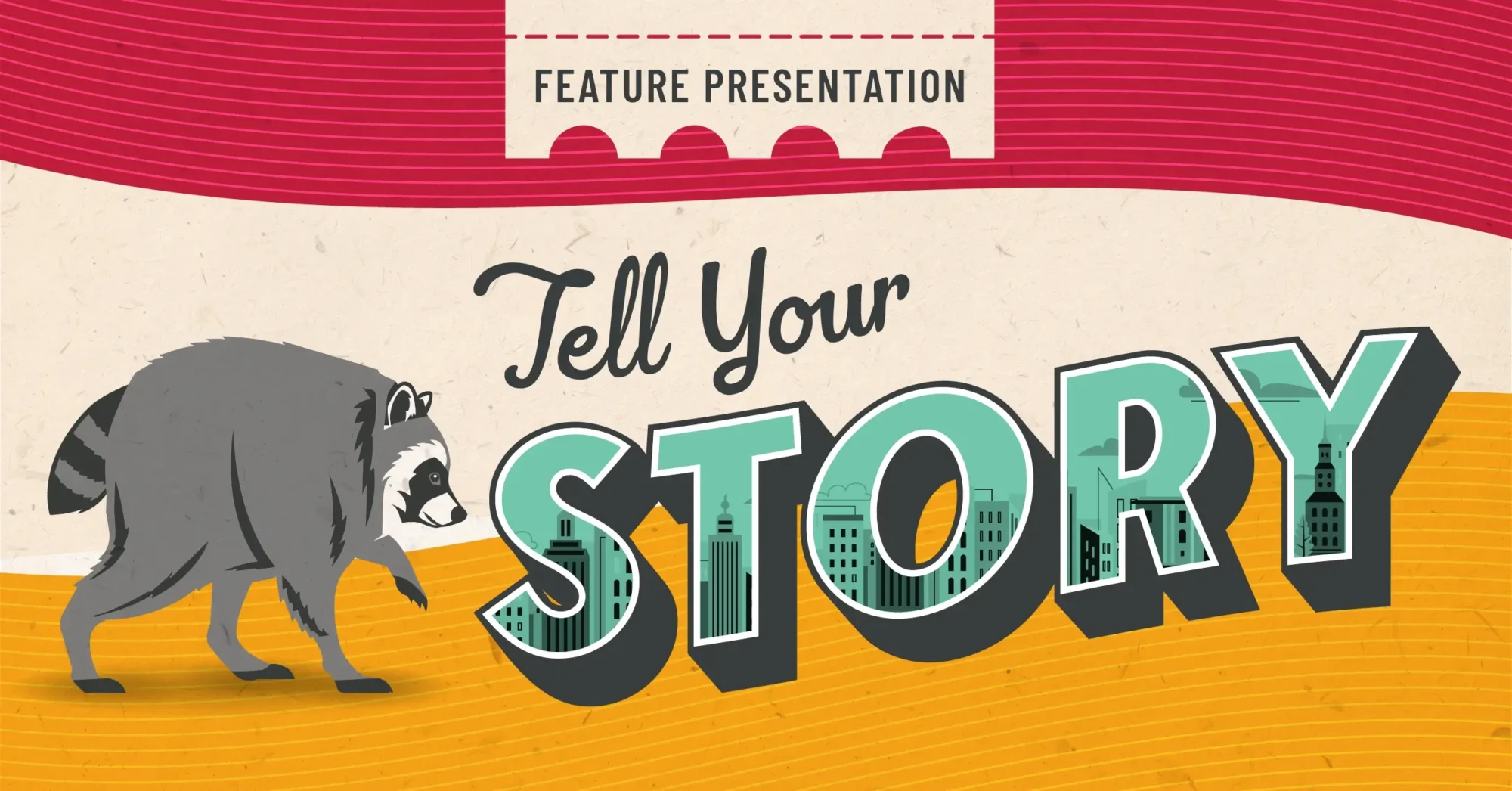
The world discovered Jimothy the raccoon.
The little mammal with a spinal deformity became a viral sensation and Seattle’s unofficial mascot. We should all be more like Jimothy.
People LOVE that raccoon. Why? At least a few reasons:
- He’s unique and rolls with it.
- He has both an origin and backstory (even if manufactured).
- He’s alive and willing to be seen in broad daylight.
And as much as I hate to be the guy who draws a line between everything and branding, there’s just some undeniable advice in those three points above.
Your Positioning (and Story) Is Your Strategy
You can’t make a move until you know where you stand.
That’s true in life and in marketing.
I used to work with a woman who said, “Your positioning is your strategy.” I’ve never forgotten it. You have to know your differentiator(s) before you can develop a marketing plan, forecast a budget, draft messaging, design, film, produce… You get it.
You don’t discover your positioning as much as you work toward it. By that, I mean you evaluate three aspects:
- Your Audience
- Your Competition
- Your Brand
That creates a Venn diagram, but probably not the one you’re used to. With this one, you’re looking for where your brand and your audience overlap. That’s the bridge your competition can’t cross.
The above work is part of our own Strategic Insights process. It’s tough but invigorating. We use it to develop big ideas that lead to original, meaningful campaigns.
Embrace and Share Your Origin Story
Every person, company, organization, town, and superhero have one.
Think about why your company, organization, or community exists. Unearth your origin story. Then dramatize it. Mythologize it. Promote it. Tell people how you started.
Don’t be hesitant to talk about yourself. Trust me, it’s in service to your audience. Because the reason nearly any organization starts is to solve a problem and be in service to others. It’s like the airplane guidance: In case of emergency, secure your own mask first before helping other passengers. You have to know yourself before you can offer value to your audience.
People and Place Before Product
So many organizations lead with product: a feature, a service, or a physical object they want to promote.
Nine times out of 10, no one cares.
It’s your job to make them care, and you do that through people and place. Lead with those two things, using them to broach the need for the product. That’s the only way to stay human. People and place will give meaning to your product.
If you got to the end of this, I thank you for reading. And I leave you with one parting piece of advice:
Find your Jimothy.
