

Last year, we talked about the “Crisis of Grievance;” the feeling that the system was rigged, and everyone was angry about it.
The 2026 Edelman Trust Barometer just dropped, and the news isn’t exactly better. We’ve officially moved from being angry at the system to pulling back from each other. Edelman calls it a descent into insularity.
Basically, our bubbles have only gotten smaller.
70% of people now say they are hesitant to trust anyone who doesn’t share their exact values or background. We are choosing “the safety of the familiar” over the risk of change. We’re closing the shutters, turning off the news, and only listening to the people who already agree with us. We’re creating our own vacuums, siloed from anything that might challenge or expand our points of view.
But here is the silver lining for those of us involved with communities, nonprofits, and local businesses: Trust hasn’t ceased to exist; it’s just moved.
The Rise of the “Trust Broker”
While trust in the media, government, and organizations is circling the drain, people are looking closer to home. The report shows that our greatest trust is now placed in the people closest to us: our neighbors, our doctors, our teachers, and—critically—our coworkers.
Edelman calls these people “Trust Brokers.” The workplace is one of the few places left where people of different backgrounds still have to interact and solve problems together. This forces people to pop their bubbles. Businesses and non-profits have a unique opportunity to strengthen this path away from insularity and lead the way out of the echo-chamber mentality.
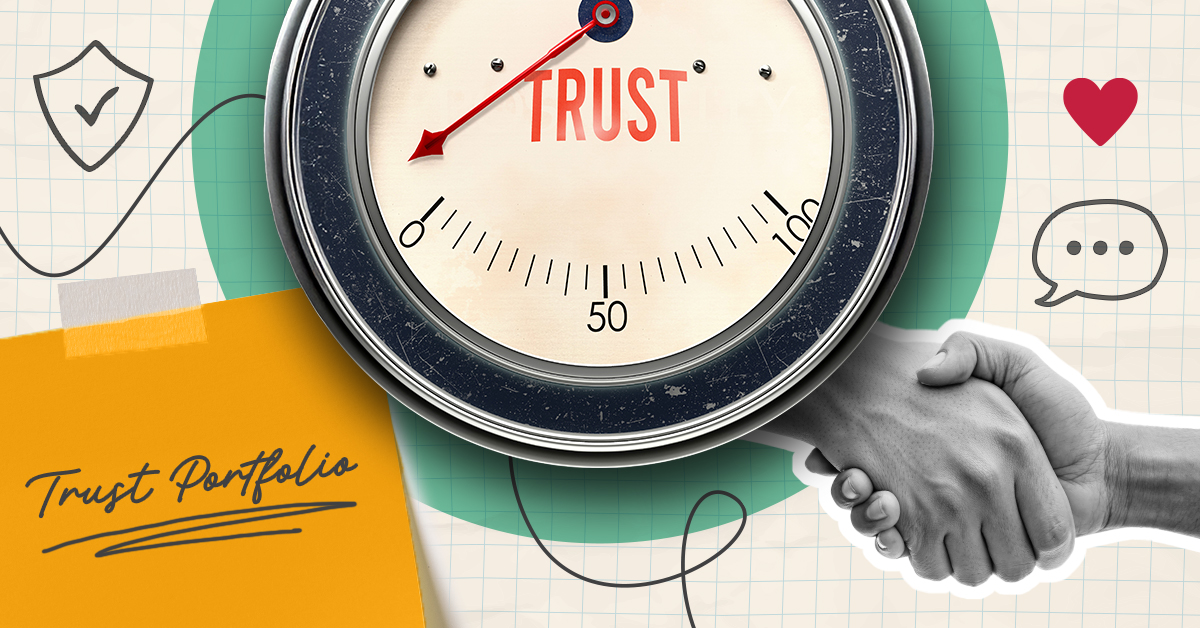
The Solution: Building a “Trust Portfolio”
If you’re a nonprofit leader or a business owner, how do you simultaneously fight insularity and AI noise while fostering trust? You bet on your people.
Instead of trying to make your organization the sole voice of authority, you need to build what Pulizzi calls a Trust Portfolio. This means empowering the real humans inside your building to be the face and voice of your mission. You should encourage your people to post their thoughts, expertise, and approaches. They are representatives of your organization, and other people care what they think.
- For Nonprofits: Don’t just post a polished impact review or annual report. Let your program director share their “why” on video. Let your volunteers tell the stories of the people they meet.
- For Businesses: Stop hiding behind the corporate “we.” Let your lead engineer, your office manager, or your front-line staff share their expertise and their curiosity.
- For Communities: Establish deeper relationships with your superfans and leverage them, while continuing to focus on expansive transparency with your community. Create “Transparency Centers” on your city’s website and commit to keeping it current and relevant.
The overarching philosophy: Let your people lead and your organization follow.
Why This Works (And Why It’s Necessary)
The 2026 Barometer shows that 82% of employees want their employers to promote a shared identity and culture. People want a reason to believe in something bigger than their own insular bubble, but the people have to drive that atmosphere.
Other research also shows that posts from individuals on platforms like LinkedIn far outperform posts from organization and company profiles. People connect with people; it puts a face to the viewpoint.
But you have to encourage this behavior. To build trust in an insular world, empower personality, point of view, and—yes—even a little “weirdness.” If you sand down all the edges of your brand to make it “safe,” you don’t get protection or differentiation; you get invisibility.
Insularity is a bottom-line issue. It stalls innovation and creates friction in our communities. But for those willing to be Trust Brokers—bringing people together, leading with authentic human voices, and showing up as real people in a synthetic world—the opportunity to lead has never been greater.
The world is pulling back. It’s time for people to step forward.
